

Introduction
In today’s competitive digital landscape, having a website is not enough to make a business successful online. Businesses need to ensure that their websites appear when potential customers search for relevant products, services, or informationBeyond Keywords SEO Technique Improve Google Ranking in organic search results.
Traditionally, SEO Technique was often associated with keyword research and placing keywords throughout website content. However, modern SEO involves much more than keywords. Search engines have become better at understanding search intent, content relevance, website usability, and the overall quality of information.
To improve Google rankings, businesses need a comprehensive SEO strategy that combines high-quality content, technical optimization, mobile-friendly design, internal linking, and trustworthy online practices.
Whether you are a blogger, business owner, website developer, or digital marketer, understanding modern SEO techniques can help you attract relevant visitors and build a stronger online presence.
In this blog, we will explore 11 effective SEO techniques that go beyond keywords and help improve your website’s search performance.
1. Understand SEO Technique
Search intent is the main reason behind a user’s search query. Understanding it helps you create content that matches what people actually want to find.
Google aims to provide relevant and helpful results, so content that satisfies a user’s needs has a better opportunity to perform well.
There are four common types of search intent:
- Informational: Users want to learn something, such as “What is SEO?”
- Navigational: Users want to find a specific website or webpage.
- Commercial: Users are researching products or services before making a decision.
- Transactional: Users are ready to purchase a product, book a service, or complete an action.
For example, someone searching for “best SEO tools for beginners” probably expects a comparison of different tools rather than a basic definition of SEO Technique
Before writing an article, search for your target topic and examine the types of results Google displays. This can help you understand whether users expect a tutorial, comparison, service page, or another format.
Create content that answers the main question clearly, provides useful details, and guides readers toward the information they need.
Matching search intent helps make your content more relevant and improves the overall experience for your audience. what is SEO to know
2. Create High-Quality and Helpful Content

Content quality is one of the foundations of successful SEO. Search engines aim to help users find reliable and useful information, making it important to create content that genuinely addresses their needs.
Instead of writing articles simply to include keywords, focus on providing practical solutions, original insights, and accurate information.
For example, a digital marketing website could publish a detailed guide explaining how small businesses can improve local SEO Technique optimize their websites, and attract potential customers.
To create valuable content:
- Answer the main question early in the article.
- Use clear language and logical headings.
- Include relevant examples and actionable advice.
- Support factual claims with trustworthy sources when appropriate.
- Remove repetitive or unnecessary information.
- Update outdated content regularly.
- Review your content for accuracy and originality.
Avoid copying articles from competitors or publishing generic content that offers little additional value. If you use AI tools to assist with writing, review the result carefully and add relevant expertise, examples, and verification.
There is no fixed word count that guarantees high rankings. The goal is to provide enough information to satisfy the reader’s needs without unnecessary repetition.
Helpful content can build credibility, encourage visitors to return, and support your long-term SEO strategy.
3. Optimize On-Page SEO Technique
On-page SEO involves improving the elements within a webpage so that visitors and search engines can understand its content more easily.
Although keyword placement remains useful, on-page optimization also includes content structure, page titles, internal links, and descriptive metadata.
Important on-page SEO practices include:
Title tags: Write unique, descriptive page titles that accurately explain the page’s topic.
Meta descriptions: Create clear summaries that help users understand what they will find on your page. Google may generate a different search snippet, and meta descriptions are not a direct ranking factor.
Headings: Use a clear H1 heading and descriptive H2 and H3 headings to organize your content.
URL structure: Keep URLs readable, meaningful, and relevant to the page.
Image alt text: Describe meaningful images accurately to improve accessibility and provide context.
Internal links: Connect related pages so users can discover additional information.
For example, a blog about website optimization could use the title “Website Optimization: 10 Techniques to Improve Performance” and organize the article into sections about speed, mobile usability, technical SEO, and conversions.
Use your primary keyword naturally where relevant, but avoid repeating it unnecessarily.
A well-structured webpage helps visitors find information quickly and makes the subject of the page easier to understand.
4. Improve SEO Technique
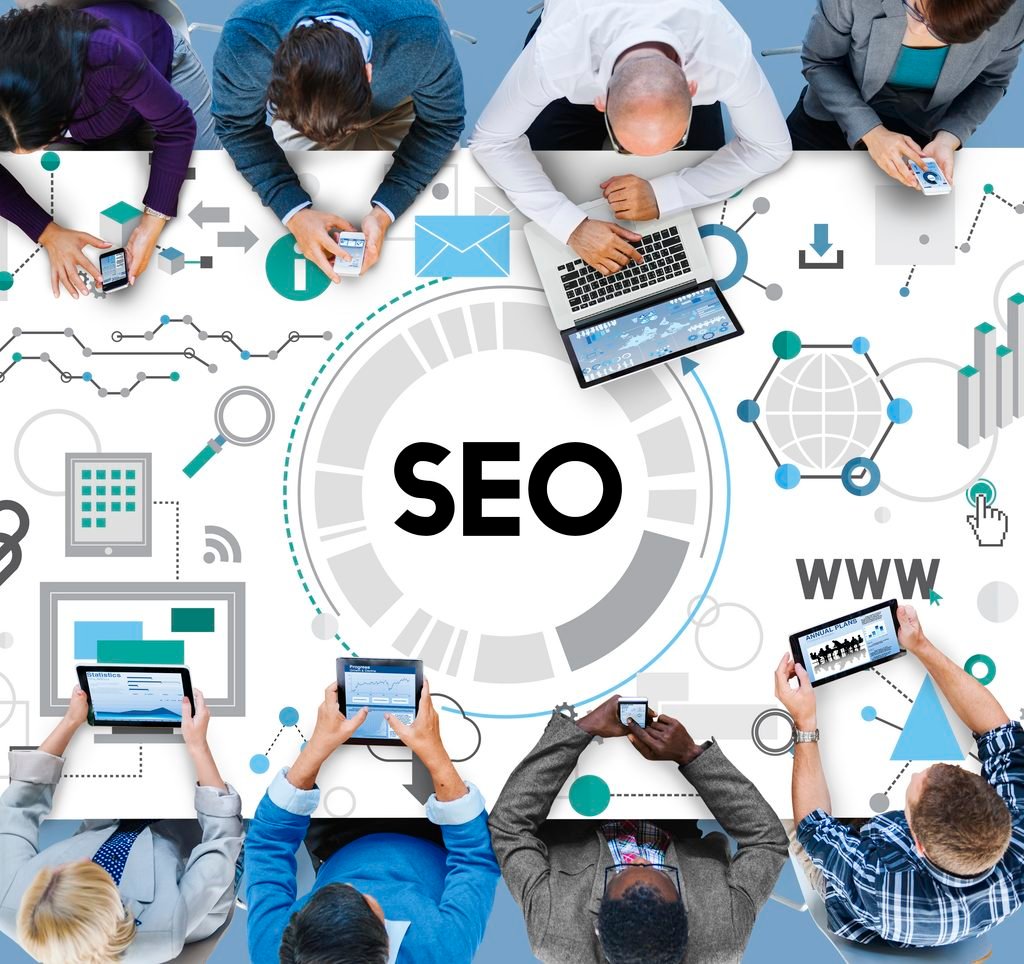
Technical SEO focuses on making your website accessible to search engines and ensuring that important pages can be crawled, rendered, and indexed correctly.
Even excellent content can struggle to appear in search results if technical issues prevent search engines from accessing or understanding it.
Here are some essential technical SEO practices:
- XML sitemap: Maintain a sitemap that helps search engines discover important URLs.
- Robots.txt: Check that important pages and resources are not accidentally blocked from crawling.
- Indexability: Ensure pages intended for search results are not unintentionally marked as
noindex. - Canonical tags: Identify preferred URL versions when duplicate or very similar pages exist.
- Broken links: Find and repair broken internal links.
- HTTPS: Protect connections between your website and its visitors.
- Structured data: Use relevant markup to help search engines interpret supported types of information.
Tools such as Google Search Console and website crawling software can help identify technical problems.
For example, if an important service page is not indexed, investigate its indexing status, internal links, canonical settings, and accessibility before making unnecessary content changes.
Conduct technical audits periodically to keep your website healthy and help search engines discover its most valuable pages.
5. Improve Website Speed and Core Web Vitals
Website speed affects how easily visitors can access and interact with your content. Slow pages and delayed interactions can frustrate users and create a poor browsing experience.
Google uses Core Web Vitals as part of its page experience considerations. These metrics evaluate loading performance, responsiveness, and visual stability.
The three main Core Web Vitals are:
- Largest Contentful Paint (LCP): Measures how quickly the main content loads. A good target is 2.5 seconds or less.
- Interaction to Next Paint (INP): Measures responsiveness to user interactions. A good target is 200 milliseconds or less.
- Cumulative Layout Shift (CLS): Measures unexpected layout movement. A good target is 0.1 or less.
These targets are evaluated at the 75th percentile of page visits, with mobile and desktop assessed separately where applicable.
To improve performance, compress large images, use modern image formats, reduce unnecessary JavaScript, optimize server response times, and reserve space for images and embedded content.
Google PageSpeed Insights can help you measure performance and identify potential improvements.
Good website performance supports user experience, but meeting Core Web Vitals targets alone does not guarantee higher search rankings.
6. Build Topic Clusters and Improve Google Ranking
A strong SEO strategy involves more than publishing individual articles. Organizing related content into topic clusters can help users explore a subject and help search engines understand the relationships between your pages.
A topic cluster usually consists of a main page covering a broad subject and several supporting articles that address specific related questions.
For example, a digital marketing website could build an SEO Technique topic cluster with articles about:
- Keyword research.
- On-page SEO.
- Technical SEO.
- Local SEO.
- SEO copywriting.
- Link building.
The main SEO Technique guide could link to these supporting articles, while each article links back to the main guide where relevant.
This structure helps visitors discover useful information without repeatedly searching for related topics.
However, each article should serve a distinct purpose. Publishing many similar pages targeting almost identical search queries can create unnecessary duplication and make your website harder to maintain.
Focus on covering topics meaningfully, connecting relevant resources, and answering different audience needs.
7. Optimize Your Website for Mobile Devices

Mobile usability is essential because many people use smartphones to search for information, compare services, and make purchases.
Google primarily uses the mobile version of website content for indexing. Therefore, your mobile website should contain the important information available on your desktop version.
To improve mobile usability:
- Use responsive website design.
- Keep text readable on smaller screens.
- Make buttons and links easy to tap.
- Simplify menus and navigation.
- Avoid intrusive pop-ups.
- Optimize images for mobile performance.
- Ensure forms are easy to complete.
For example, a digital marketing agency’s website should allow mobile visitors to view its services, read blog posts, explore portfolio projects, and contact the business without difficulty.
Test your website on different screen sizes and devices. Pay attention to navigation problems, overlapping elements, slow-loading content, and difficult-to-use forms.
A mobile-friendly website makes it easier for visitors to engage with your content and supports a better overall user experience.
8. Improve Google Ranking Internal Linking
Internal links connect pages within the same website. They help visitors discover related resources and help search engines understand your website’s structure.
For example, a blog about SEO copywriting could link to articles about keyword research, content marketing, and on-page SEO.
To create a strong internal linking strategy:
- Link related pages naturally within your content.
- Use descriptive anchor text.
- Connect important pages to relevant supporting articles.
- Make sure links help users find additional useful information.
- Review important pages that have few internal links.
Avoid using vague anchor text repeatedly when a more descriptive phrase would help readers understand the destination.
Internal linking can also help search engines discover pages that may otherwise be difficult to reach through your website’s navigation.
A well-organized linking structure makes your website easier to explore and supports the relationship between your different content topics.
9. Earn High-Quality Backlinks
Backlinks are links from other websites that point to your webpages. Relevant, naturally earned backlinks can help search engines discover your content and can introduce your website to new audiences.
However, the number of backlinks alone does not determine SEO success. Relevance, context, and the quality of the linking website are important considerations.
You can attract useful backlinks by:
- Publishing original research and insights.
- Creating detailed educational guides.
- Developing useful infographics.
- Contributing genuinely valuable articles to relevant publications.
- Building professional relationships within your industry.
- Creating resources that other websites naturally want to reference.
For example, a digital marketing portfolio could publish a comprehensive SEO checklist that bloggers, business owners, and marketing educators may find useful enough to reference.
Avoid buying links to manipulate rankings, participating in link schemes, or creating low-quality websites solely to generate backlinks.
Focus on earning links by providing useful resources and building genuine industry relationships. This approach is more sustainable than relying on manipulative link-building practices.
10. Optimize Images and Use Structured Data
Visual content can improve readability and help explain complex information. Image optimization also helps improve page performance and accessibility.
Use descriptive file names, compress images, select suitable formats, and provide meaningful alt text for images that communicate information.
For example, an image showing an Improve Google Ranking audit could use a descriptive file name such as website-seo-audit.jpg.
Avoid stuffing keywords into image descriptions. Alt text should accurately describe the image’s content or purpose.
You can also use structured data, a standardized format that helps search engines understand information on webpages.
For example, appropriate Article or BlogPosting structured data can describe details such as an article’s headline, author, publication date, and image.
Use only markup that accurately reflects visible page content. Validate eligible structured data with Google’s Rich Results Test and monitor relevant issues in Search Console.
Structured data may make pages eligible for certain enhanced search appearances, but it does not automatically improve rankings or guarantee rich results.
11. Monitor SEO Technique and Update Your Strategy
SEO requires continuous monitoring because search behavior, competition, website content, and business goals can change over time.
Tracking your performance helps you understand which pages attract relevant visitors and where improvements may be needed.
Useful tools include Google Search Console and Google Analytics.
Monitor important metrics such as:
- Organic search clicks and impressions.
- Click-through rate.
- Average search position.
- Organic traffic trends.
- Leads, purchases, and other conversions.
- Website indexing and technical issues.
For example, if a blog receives many search impressions but few clicks, you could review whether its title accurately communicates the value of the content.
If an article attracts relevant visitors but generates few enquiries, examine whether the content matches their needs and whether the next steps are clear.
Update outdated information, improve weak sections, fix broken links, and add useful internal links when appropriate.
Avoid changing content solely to make it appear fresh. Improvements should provide genuine value to readers. contact
Conclusion
Modern SEO goes far beyond keywords. Achieving stronger Google rankings requires a combination of helpful content, technical optimization, search intent analysis, mobile usability, internal linking, and trustworthy website practices.
By creating original content, improving website speed, organizing related topics, earning relevant backlinks, and monitoring performance, businesses can build a stronger foundation for organic search visibility.
Remember that no single technique guarantees a first-page ranking. Search results depend on many factors, including relevance, competition, content quality, and Google’s evolving systems.
The key to successful SEO is to create content that genuinely helps people while making your website easy for search engines to understand.
Start by reviewing your website, identifying its biggest weaknesses, and prioritizing improvements that offer real value. With consistent effort and a user-focused strategy, you can strengthen your online presence and attract more relevant visitors over time.